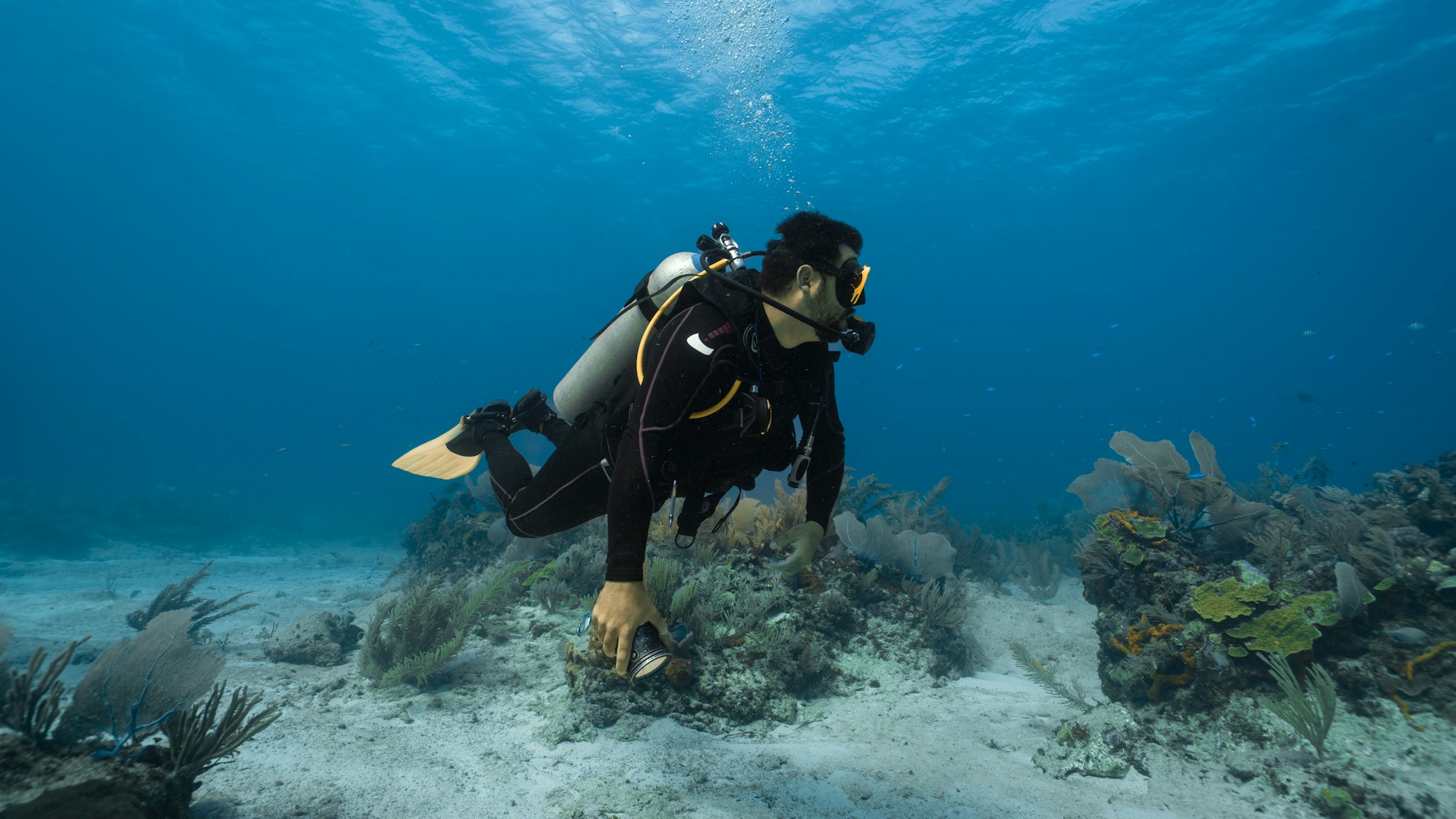
Scuba can be a fascinating hobby that fascinates many individuals; yet when asked directly what it’s really like they may struggle to describe it. Perhaps there’s someone close who would enjoy diving but doesn’t know where or how to begin; perhaps they have heard false rumor or heard myths regarding potential risks and expenses associated with diving.
Research will go a long way in helping them make an informed decision, and they might be surprised to learn that many popular fears are unfounded but not without some foundation. Scuba diving may not be suitable for everyone but it offers plenty of peak moments and peak moments that almost anyone willing to put in the time and training can enjoy it safely and enjoy its many rewards.
People often don’t dive for various reasons, including lack of interest, but more frequently just lack the motivation or time to become certified divers. Although it may seem intimidating or expensive, scuba can actually be very affordable when purchasing secondhand gear – just look on Gumtree or Craigslist in the UK or Australia or any number of dedicated Facebook groups for affordable deals from people selling off old scuba kits at half price or less!
Online reviews and comparison sites can also help you choose equipment suited to your diving needs. Many are written by fellow divers, providing an opportunity to hear directly what others think of a certain product and whether or not it works well for them. YouTube reviews provide more of a visual representation of what’s on offer.
Concerns among prospective scuba divers about decompression sickness (or “the bends”) include nitrogen bubbles building up in their blood stream when ascending too quickly from depth, potentially damaging lungs, blocking blood supply to brain and spinal cord, leaving you feeling dizzy, delirious or paralyzed.
That is why it’s essential that divers follow safety guidelines both during training and throughout their diving lives. Maintaining a log book of your dives is one key component, while you should also make regular decompression stops and ensure your air tank remains full in order to avoid nitrogen build-up. In addition, caffeine or alcohol should never be consumed prior to diving as they can impair judgment and reflexes; additionally exceeding your dive computer’s maximum depth limit could result in narcosis and possibly death.